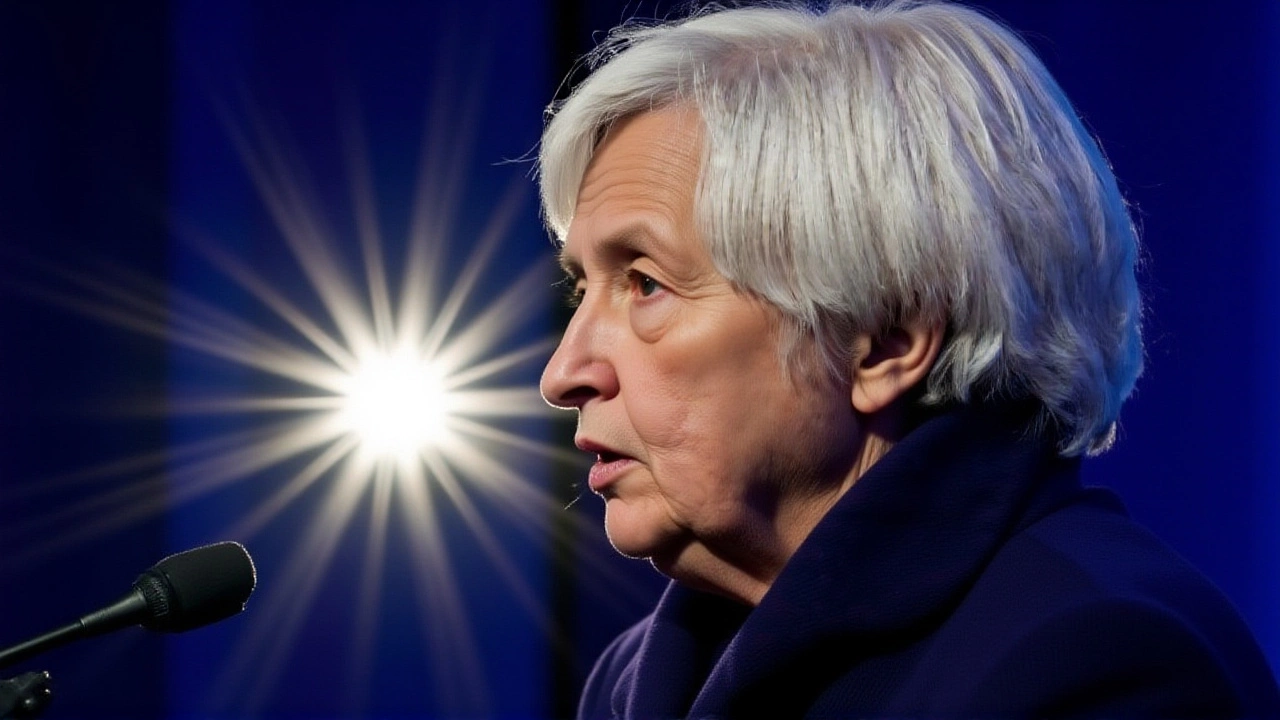
When Faisal Islam, the BBC’s seasoned Economics Editor, declared "Trussonomics is dead," he wasn’t just summarizing a policy shift—he was burying an economic experiment that collapsed in under two months. The announcement came in October 2022, after the UK’s financial markets had imploded, the pound hit rock bottom, and Prime Minister Liz Truss was forced from office. What began as a bold promise to "challenge Treasury orthodoxy" ended as the most dramatic policy reversal in modern British history.
The Mini-Budget That Shook the World
On September 23, 2022, Kwasi Kwarteng, then Chancellor of the Exchequer, unveiled a mini-budget that promised tax cuts so sweeping they’d rewrite Britain’s fiscal DNA. The plan scrapped the 45% top income tax rate for earners over £150,000, lowered the basic rate from 20% to 19%, axed the planned rise in corporation tax to 25%, and eliminated the 1.25% national insurance hike. Stamp duty thresholds were raised, and bankers’ bonuses were freed from caps. All of it—£60 billion in immediate cost, per the Institute for Fiscal Studies (IFS)—would be funded by borrowing. The theory? Supply-side economics: cut taxes, unleash growth, and watch revenues rise. Critics called it trickle-down economics dressed in new clothes. But the real shock wasn’t the scale—it was the timing. Inflation was hitting 10%, interest rates were climbing, and households were already squeezed. The International Monetary Fund (IMF) responded with an unusually blunt statement on September 27, 2022: "The nature of the UK measures will likely increase inequality." They didn’t mince words. Someone earning £20,000 a year would gain £167 annually. Someone earning £200,000? £5,220. The math didn’t just look unfair—it looked dangerous.Markets Panic, the Pound Plummets
Within days, markets reacted like a house of cards in a hurricane. The British pound plunged to $1.033 against the dollar—the lowest ever recorded. Bond yields spiked. Pension funds faced margin calls. The Bank of England was forced into emergency bond-buying to prevent a systemic collapse. It was the kind of chaos usually reserved for emerging economies, not the G7’s fifth-largest. The backlash wasn’t just financial. Joe Biden privately expressed alarm. Labour called it "economic vandalism." Even within the Conservative Party, senior figures like Michael Gove and Grant Shapps voiced private doubts. The government’s own Office for Budget Responsibility (OBR) had been sidelined—until panic forced them back in. The costings, originally due in November, were rushed out on October 31.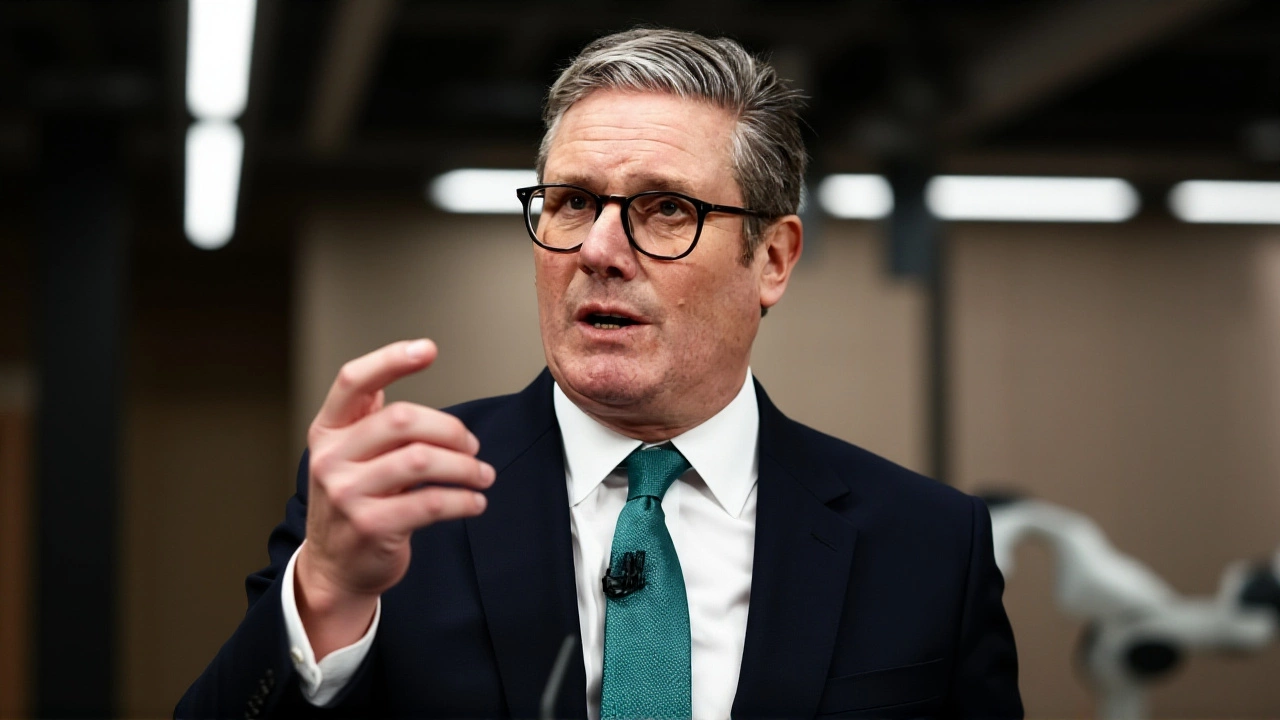
The U-Turn That Broke a Prime Minister
By October 3, the government reversed the top tax rate cut—just 10 days after announcing it. Islam called it "the biggest U-turn in British economic history." But it was too late. The damage was done. Trust evaporated. On October 14, Kwarteng was fired. Jeremy Hunt, his replacement, axed nearly every remaining pillar of Trussonomics: corporation tax stayed at 19%, the national insurance hike returned, and the investment zones were scaled back to near nothing. Liz Truss, who’d campaigned on "growth above all," lasted just 45 days as prime minister. On October 20, she announced her resignation. "I simply cannot deliver the mandate I was elected to," she said. By October 25, Rishi Sunak was prime minister, with a single mission: restore stability.Why Trussonomics Failed—And What It Means
Trussonomics wasn’t just bad economics—it was bad politics. It assumed markets would reward boldness, ignoring that confidence is fragile. It ignored the fact that tax cuts for the wealthy don’t automatically create jobs. The IFS projected government borrowing would balloon to £100 billion by 2026—nearly triple previous forecasts. Interest rates stayed high to fight inflation, making mortgages and business loans more expensive. The pound’s fall pushed import prices higher, worsening cost-of-living pain. Kwarteng later admitted in a November 2022 interview that he’d warned Truss she was "going too fast." That’s the quiet tragedy here: the architects knew. But the machinery of ambition outpaced the brakes.
The Legacy: A Warning, Not a Blueprint
Trussonomics didn’t just die—it was discredited. No major party now speaks of unfunded tax cuts as a growth strategy. The IMF’s warning about inequality became a textbook case. The Bank of England’s intervention showed how quickly markets can punish fiscal recklessness. And Faisal Islam’s phrase—"Trussonomics is dead"—has become shorthand for the danger of ideology over evidence. The real cost? Not just £100 billion in debt, but the erosion of public trust in economic leadership. When a government can’t even keep its own promises, who do you believe?Frequently Asked Questions
What exactly was Trussonomics?
Trussonomics was the economic strategy promoted by Prime Minister Liz Truss and Chancellor Kwasi Kwarteng in 2022, centered on large, unfunded tax cuts for high earners and businesses, deregulation, and the creation of "investment zones." It was based on supply-side economics, arguing that tax reductions would spur growth and eventually pay for themselves. Critics called it trickle-down economics, and it collapsed after markets rejected its assumptions.
How did the IMF’s criticism impact the UK?
The IMF’s public rebuke on September 27, 2022, was unprecedented for a G7 nation. It shattered international confidence, triggering a sell-off in UK government bonds and a historic plunge in the pound. Foreign investors pulled back, and the Bank of England had to intervene with £65 billion in bond purchases to stabilize markets. The statement gave political opponents powerful ammunition and exposed the fragility of the government’s economic plan.
Why did the pound fall so hard?
Investors feared the UK was heading for unsustainable debt levels—£100 billion in extra borrowing by 2026, according to the IFS. With inflation already at 10%, the Bank of England couldn’t cut rates to help. The combination of fiscal irresponsibility and monetary tightening made the pound look like a risky asset. It hit $1.033, its lowest ever, forcing emergency intervention.
Who benefited most from Trussonomics’ tax cuts?
The benefits were sharply skewed. Someone earning £20,000 annually gained just £167 per year from the tax changes, while someone earning £200,000 gained £5,220—over 30 times more. The top 1% of earners were projected to receive nearly 40% of the total tax cut benefits. This inequality fueled public anger and gave the IMF’s warnings concrete credibility.
Did any part of Trussonomics survive?
Almost none. Jeremy Hunt reversed nearly all key measures: the top tax rate was reinstated, corporation tax remained at 19% (not rising to 25%), and the national insurance hike returned. Investment zones were scaled back drastically. The only lasting legacy is the cautionary tale: unfunded tax cuts for the wealthy, without credible growth plans, are politically and economically toxic.
What’s the long-term impact on UK economic policy?
Trussonomics has become a cautionary benchmark. Future governments now avoid large, targeted tax cuts without independent costings. The OBR’s role was reinforced, and fiscal responsibility is now framed as non-negotiable. Even within the Conservative Party, the episode has silenced advocates of radical tax cuts. The lesson? Economic populism without credibility doesn’t just fail—it destabilizes.
