Ever tried signing up for a new app and got stuck because the system asked for a verification code you never received? Or filled out a form only to be told your ID doesn’t match what’s on file? Easy verification isn’t about fancy tech-it’s about getting you through those small, frustrating hurdles without the hassle. Most services today need to confirm who you are, but they don’t all have to make it hard. The best systems cut the noise and get straight to the point: prove you’re real, quickly and safely.
Some websites still rely on old-school methods like email confirmations that take hours, or phone calls you have to schedule. But newer platforms are shifting toward instant, frictionless checks. For example, if you’re looking for local services in Paris, some platforms use quick photo ID scans or SMS-based codes to verify users within seconds. One such service, escort paris sexe, uses a simple two-step process to confirm identity before allowing bookings-no lengthy forms, no third-party apps. It’s not about privacy risks; it’s about trust built fast.
What Makes a Verification Process "Easy"?
An easy verification isn’t just fast-it’s predictable, clear, and doesn’t demand extra tools. If you need to download an app, upload a document, or answer a quiz just to prove you’re human, it’s not easy. Real simplicity means:
- You use something you already have: your phone, your email, your face
- No passwords to remember or codes to write down
- It works even if you’re on a slow connection
- You know exactly what’s happening at every step
Think of it like unlocking your car with a key fob instead of digging out a physical key from your pocket. The system should feel invisible until it’s needed.
Common Types of Easy Verification
Not all easy verifications work the same way. Here are the most common ones you’ll run into today:
- Two-factor authentication (2FA) via SMS - You enter your phone number, get a code, type it in. Done. No app needed.
- Email confirmation links - Click a link sent to your inbox. Still common, but slower than SMS.
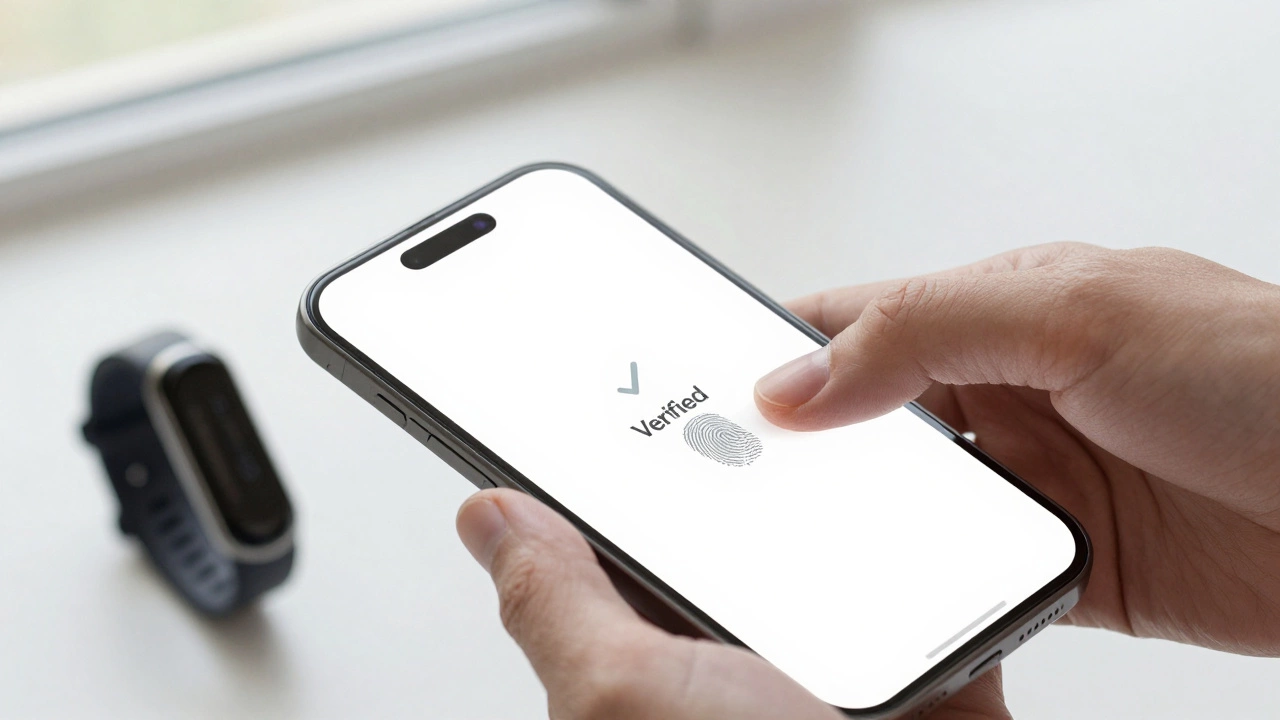
- Biometric checks - Use your fingerprint or face scan. Works on most modern phones and is nearly instant.
- Knowledge-based questions - "What was your first pet’s name?" Not great for security, but easy for users.
- Document scanning with AI - Point your camera at your driver’s license or passport. The system reads it, checks for forgery, and confirms authenticity in under 30 seconds.
The most reliable systems combine two of these. For instance, a banking app might ask for your face scan and a code sent to your phone. That’s still easy-it just adds a layer of safety without adding friction.
Why Do Some Verifications Feel So Hard?
It’s not always the user’s fault. Sometimes, companies over-engineer verification because they’re scared of fraud. They’ll ask for three forms of ID, require a selfie holding a handwritten note, or force you to call customer service during business hours. That’s not security-that’s bureaucracy.
Real security doesn’t mean complexity. It means using smart tech that reduces risk without burdening users. A study by the National Institute of Standards and Technology (NIST) found that biometric methods combined with device trust (like knowing the phone is yours) are more secure than long passwords-and far easier to use.
Companies that ignore this end up losing customers. One travel booking site saw a 32% drop in sign-ups after adding a 7-step ID upload process. They switched back to a simple SMS code and recovered 90% of lost users within a month.
How to Spot a Good Verification System
If you’re building or choosing a service, here’s how to tell if its verification is truly easy:
- Does it give you a clear reason why it’s asking for something? (e.g., "We need this to protect your account")
- Can you complete it in under 60 seconds?
- Is there a fallback option if the first method fails?
- Does it explain what happens to your data?
Bad systems hide behind legalese. Good ones say: "We’re doing this to keep you safe. Here’s how."
Also, watch for red flags: if a site asks for your Social Security number, bank login, or a selfie with your ID in front of a landmark-it’s probably too much. Legitimate services rarely need that level of detail just to verify you’re real.
What’s Next for Easy Verification?
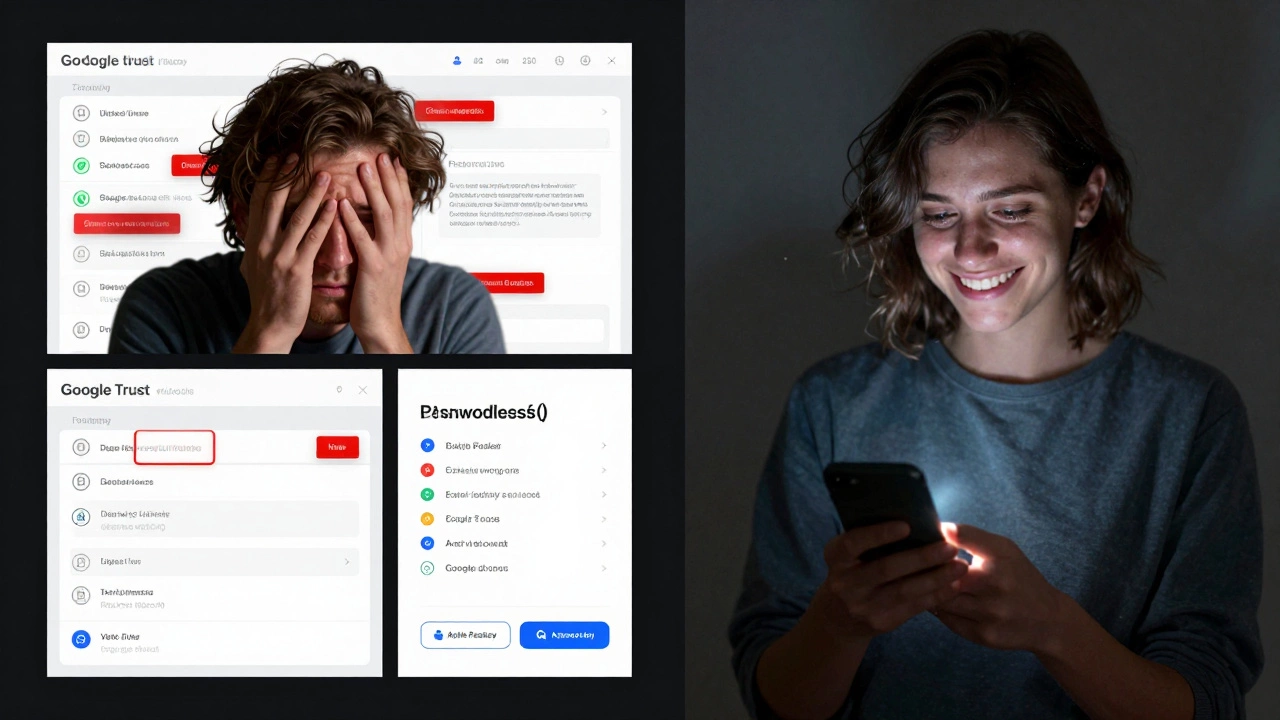
The future is moving toward passwordless logins and decentralized identity. That means you’ll own your own verification data-stored securely on your phone-and share only what’s needed. Imagine logging into a website just by tapping your phone. No code. No email. No app.
Apple’s Passkeys and Google’s similar tools are already rolling this out. You don’t need to remember anything. Your device does the work. And it’s more secure than any password you’ve ever used.
Even small businesses are catching on. A local bakery in Brisbane started using phone-number-based login for its online orders. Customers report 80% fewer failed checkouts. No more forgetting passwords or getting locked out.
Easy Verification in Real Life
Let’s say you’re trying to rent a scooter in Paris. You open the app, it asks for your driver’s license. You snap a photo. The app checks the barcode, confirms it’s real, and matches your face. In 12 seconds, you’re unlocked and riding. That’s easy verification.
Or you’re signing up for a new fitness tracker. Instead of filling out a form, you just tap your phone to your wristband. It recognizes your device, confirms your identity, and syncs your profile. No typing. No waiting.
These aren’t sci-fi dreams. They’re happening right now. And the companies that get this right are the ones users keep coming back to.
Meanwhile, some platforms still use outdated systems. If you’ve ever waited 48 hours for a bank to verify your account, you know how broken it can be. But the tide is turning. Users are demanding faster, smarter checks-and companies that resist are falling behind.
Even niche services like 6escort paris have adopted quick verification to reduce fake listings and protect both clients and providers. It’s not about the service itself-it’s about trust. And trust is built when verification feels effortless.
What You Can Do Today
You don’t need to wait for companies to catch up. Here’s how to make your own verification easier:
- Use a password manager-it helps you avoid lockouts
- Enable SMS or app-based 2FA on every account that offers it
- Keep your phone number and email updated across all services
- Use biometrics when available (face ID, fingerprint)
- Don’t reuse passwords-each account should be its own
These steps won’t make every verification instant, but they’ll cut down 70% of the friction you face daily.
Easy verification isn’t magic. It’s just good design. And it’s becoming the standard-not the exception.